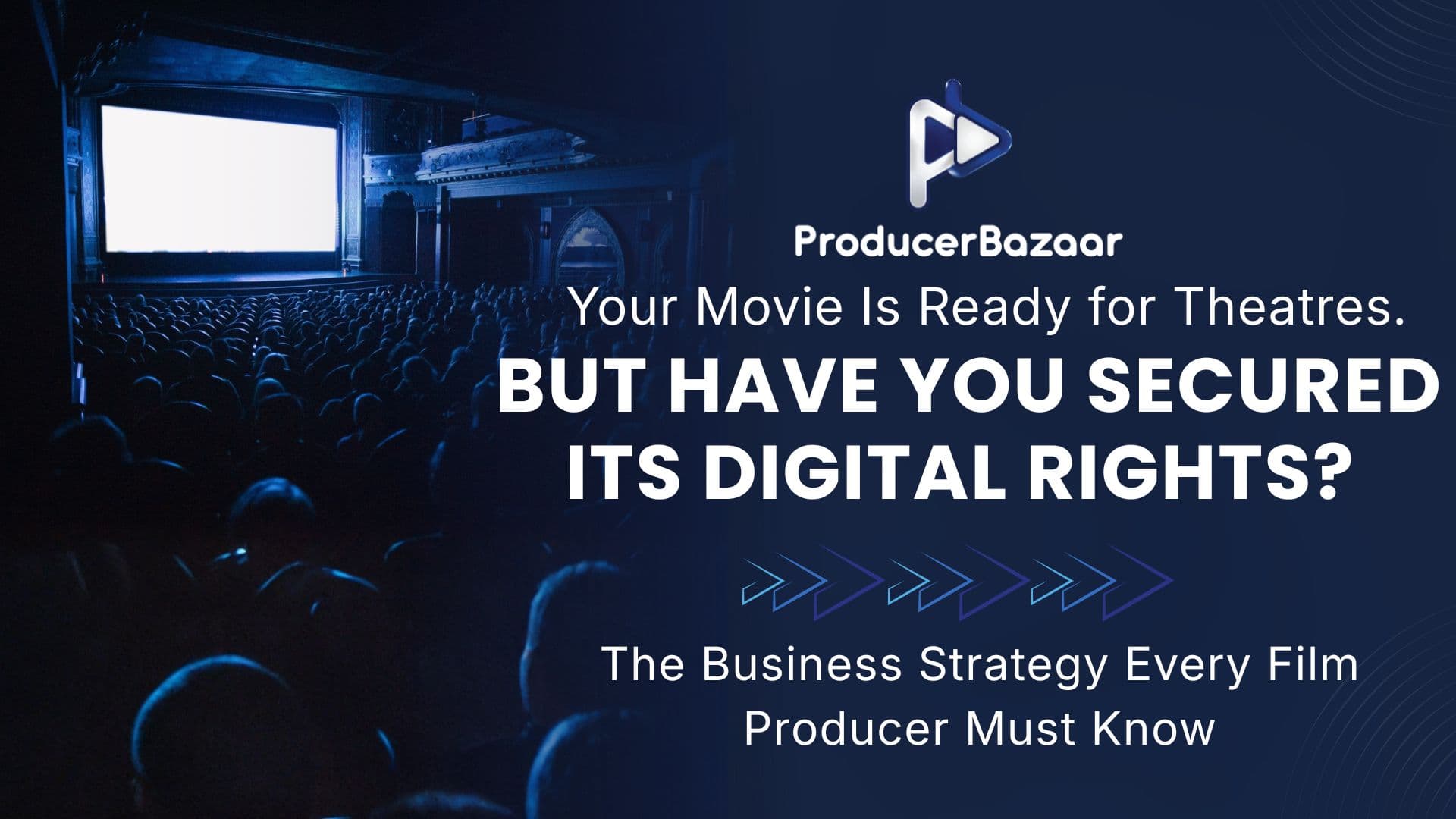
A film's business doesn't end at the box office. In today's entertainment industry, digital rights can be one of the most valuable revenue streams for a film producer. Understanding, negotiating and selling these rights before theatrical release can help producers secure revenue, reduce financial risks and unlock multiple monetisation opportunities.
The film industry is evolving rapidly. While theatrical releases continue to play an important role in a movie's success, the business of cinema has expanded far beyond cinema halls.
OTT platforms, international distributors, digital streaming services and content buyers are constantly looking for films across languages, genres and markets.
For film producers, this creates an important opportunity: monetising a movie through multiple rights instead of depending on a single theatrical or OTT deal.
But there is one crucial question every producer should ask before releasing a film:
Have you secured the digital rights of your movie before its theatrical release?
Let's understand why it matters.
1. What Are Digital Rights of a Movie?
Digital rights are the legal rights that allow a buyer or platform to distribute, stream, communicate or otherwise exploit a film through authorised digital platforms and services.
In simple terms, when a producer sells the digital rights of a movie, they grant a buyer the permission to make that film available through specified digital distribution channels, according to mutually agreed terms and conditions.
For example, when an OTT platform acquires the streaming rights of a movie, it obtains the contractual permission to stream that movie on its platform for a specified period, territory and language.
Digital rights are valuable intellectual property assets. Their commercial value depends on several factors, including:
- Star cast and director's market value.
- Genre and audience appeal.
- Language and regional demand.
- Production quality and content strength.
- OTT platform requirements.
- Pre-release buzz and market expectations.
- Territory, duration and exclusivity of rights.
For producers, understanding these rights is essential to maximise the commercial value of their films.
2. What Are the Different Rights a Film Producer Can Monetise?
A movie is not just one product. It is an intellectual property asset that can generate revenue through multiple distribution and exploitation rights.
Depending on the film's ownership, contractual arrangements and buyer demand, producers can explore the following opportunities.
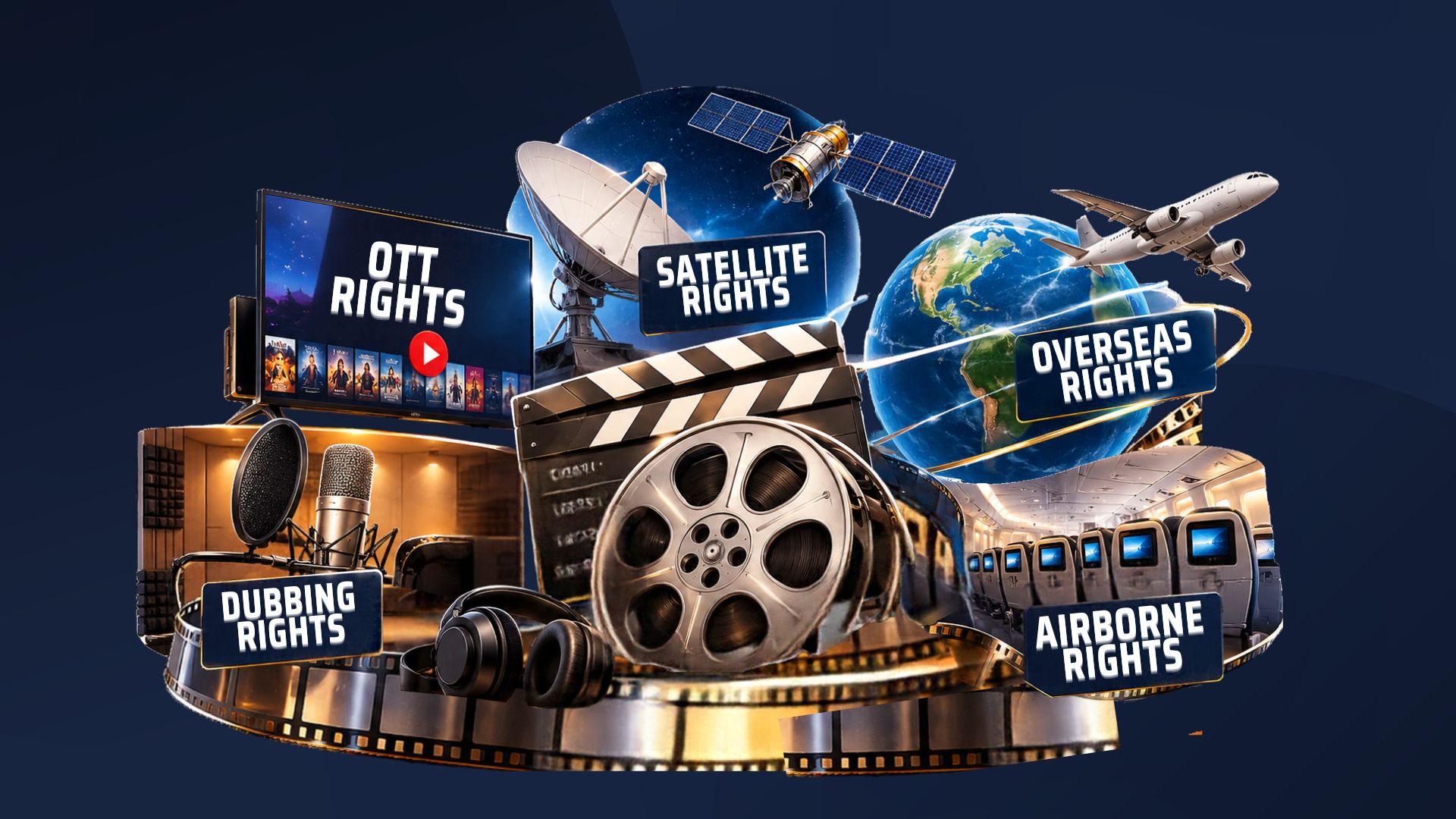
A. OTT Rights
These rights allow OTT platforms to stream a movie through their digital services.
Examples include Netflix, Amazon Prime Video, JioHotstar, ZEE5, Sony LIV and other regional or international streaming platforms.
OTT rights can be negotiated based on:
- Exclusive or non-exclusive streaming.
- Language versions.
- Territory or geographical availability.
- Licensing duration.
- Release window.
For many producers, OTT rights represent an important component of a film's pre-release business.
B. Satellite Rights
Satellite rights allow television broadcasters to telecast a movie through their television channels.
A film may attract interest from broadcasters looking for regional, dubbed or multi-language content.
Selling satellite rights separately from OTT rights can help producers unlock an additional revenue stream, subject to the contractual rights already granted.
C. Overseas Distribution Rights
A movie's audience is not limited to its country of production.
Overseas rights allow buyers or distributors to exploit the film in specified international territories.
For Indian films, markets such as the USA, UK, UAE, Australia, Canada, Malaysia and Singapore can offer valuable opportunities.
A film with strong regional appeal may also attract international buyers looking for content for Indian diaspora audiences and other language markets.
D. Dubbing Rights
Dubbing rights allow a movie to be adapted into other languages through authorised dubbing.
For example, a Tamil film can be dubbed into Telugu, Hindi, Kannada or Malayalam to reach wider audiences.
This creates opportunities to monetise the same intellectual property across different language markets without producing an entirely new film.
E. Remake Rights
Remake rights allow another production company or filmmaker to acquire permission to recreate a movie in a different language, setting or market.
A successful storyline can have commercial potential beyond its original language.
For producers, remake rights create an opportunity to earn additional revenue from the underlying story and intellectual property.
F. Audio / Music Rights
A film's soundtrack, background score and associated musical compositions can have independent commercial value.
Depending on ownership and contractual arrangements, producers and rights holders can explore music licensing, audio distribution and other authorised exploitation opportunities.
G. Airborne/ In-flight Entertainment Rights
Airlines and transportation entertainment providers license films to make them available to passengers during flights and other journeys.
These opportunities are often overlooked by producers who focus only on theatrical and OTT releases.
However, they can offer additional monetisation opportunities through specialised content buyers.
3. Why Should Producers Sell Digital Rights Before Theatrical Release?
One of the biggest mistakes a film producer can make is waiting until the theatrical outcome is known before exploring digital rights monetisation.
The pre-release stage can offer a valuable window to negotiate with buyers while the film's commercial expectations and market positioning are still being established.
Here are five reasons why pre-release digital rights negotiations matter.
1. Secure Revenue Before the Box Office Result
Film production involves substantial investments in cast, crew, locations, marketing and distribution.
A pre-release digital rights agreement can help producers secure a portion of their revenue before the film reaches theatres.
This can improve financial planning, reduce exposure to theatrical uncertainty and provide greater visibility into the film's overall business.
2. Reduce the Risk of Box Office Uncertainty
Theatrical performance is unpredictable.
A film may receive positive expectations before release but fail to attract audiences after reaching cinemas.
When a producer waits until after theatrical release to negotiate an OTT deal, the film's box office performance may influence buyer interest and commercial negotiations.
Securing a suitable digital rights deal beforehand can help reduce this uncertainty.
3. Negotiate While the Film Has Market Buzz
Before release, a film may generate significant interest because of its cast, director, teaser, trailer, music, promotional campaign or production scale.
These factors can contribute to buyer interest and negotiations.
Once the film releases, market perception may change depending on audience response and box office performance.
Therefore, producers should explore buyer interest when the film has strong pre-release momentum.
4. Unlock Multiple Rights Instead of Depending on One Buyer
Not every buyer is interested in acquiring every right of a movie.
Some may be interested in OTT streaming, while others may look for overseas, dubbing, audio or remake rights.
By understanding and negotiating individual rights, producers can explore multiple monetisation opportunities instead of depending entirely on a single buyer or one bundled deal.
However, rights must be carefully separated to avoid overlapping commitments and contractual conflicts.
5. Plan the Film's Revenue Strategy in Advance
A film's business strategy should not begin after its theatrical release.
Producers should ideally evaluate their rights portfolio during production or post-production itself.
Understanding potential buyers, market demand, rights availability and commercial expectations early can help producers build a more structured monetisation strategy.
The objective is not simply to sell your movie. It is to maximise the commercial value of every right you own.
4. When Box Office Performance Changes the Value of Digital Rights: Two Industry Examples
The importance of pre-release digital rights negotiations becomes clearer when we examine how market expectations and theatrical performance can influence a film's business.
Example 1: Toxic – When Box Office Performance Impacts OTT Deal Value
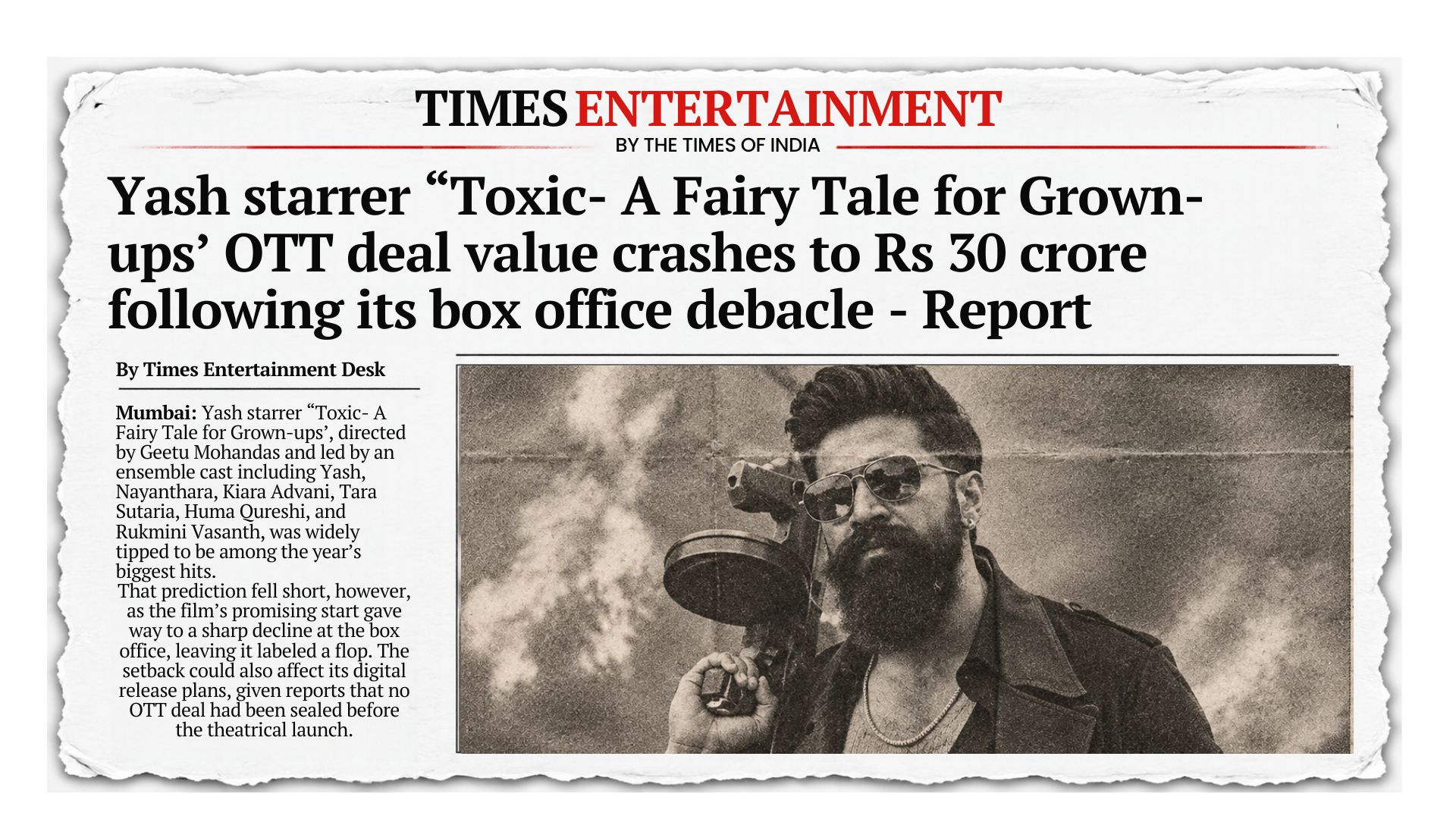
According to a Times of India report, the reported OTT deal value of Yash-starrer Toxic: A Fairy Tale for Grown-Ups faced a significant reduction following concerns over its box office performance.
The report highlighted a reported revision of the OTT deal value to approximately ₹30 crore.
This illustrates an important industry consideration: digital rights valuations are not necessarily insulated from theatrical performance.
When a film underperforms against market expectations, buyers may reassess its commercial potential and renegotiate deal terms, depending on the agreement.
For producers, this reinforces the importance of exploring digital rights opportunities before theatrical uncertainty begins to affect market perception.
Don't make your film's digital business entirely dependent on its box office performance.
Example 2: Varanasi – Rajamouli's Interesting Move in OTT Deal Strategy
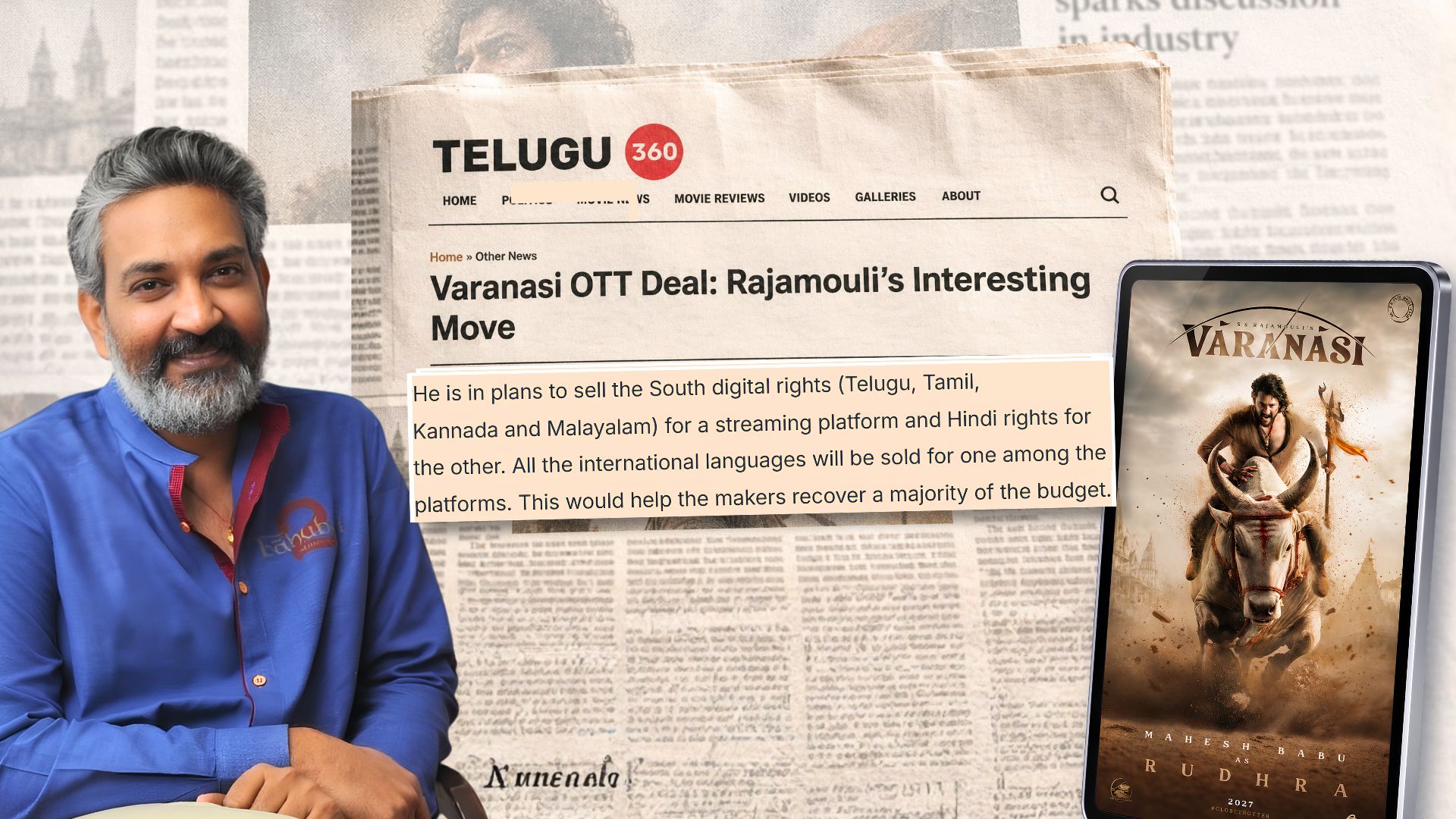
A Telugu360 report discussed an interesting OTT deal strategy associated with S. S. Rajamouli's upcoming film Varanasi.
The discussion highlights the importance of how filmmakers and producers approach digital rights negotiations, particularly for large-scale, high-expectation projects.
For a film with significant market anticipation, digital rights negotiations are not merely about accepting the first available OTT offer.
They involve evaluating market demand, buyer interest, deal structures and the potential commercial value of the property.
The broader takeaway for producers is that the timing and structure of a digital rights deal can be as important as the deal value itself.
5. How ProducerBazaar Helps Producers Buy, Sell & Secure Digital Rights
Finding the right buyer for a movie can be challenging.
Producers often depend on individual contacts, intermediaries and fragmented industry networks to identify potential buyers.
Even after finding an interested party, negotiating the right commercial terms and identifying opportunities across multiple rights can become complicated.
This is where ProducerBazaar comes in.

ProducerBazaar is the World's Digital Rights Marketplace, connecting film producers and production houses with verified buyers through a dedicated digital rights marketplace.
Whether you are looking to monetise your film or acquire content for your platform or distribution business, ProducerBazaar offers a single-window marketplace to explore digital rights opportunities.
For Film Producers – Sell Your Movie's Rights
Looking to monetise your upcoming or completed film?
Explore opportunities to sell:
- OTT / Digital Rights.
- Satellite Rights.
- Overseas Rights.
- Dubbing Rights.
- Audio Rights.
- Remake Rights.
Connect with potential buyers and explore multiple monetisation opportunities for your film.
Start selling your movie's digital rights:
https://producerbazaar.com/sell
For Movie Buyers – Discover Content Opportunities
Looking for films to acquire for your OTT platform, television network or distribution business?
ProducerBazaar helps buyers explore content opportunities and submit requirements across different languages and rights categories.
Discover content and submit your buyer requirements:
https://producerbazaar.com/buy
Your Movie Deserves More Than Just Box Office Revenue
A film is an investment in intellectual property. Its commercial journey should not be limited to theatrical collections or a single OTT agreement.
From OTT streaming and satellite broadcasting to overseas distribution, dubbing, audio and remake opportunities, every available right can contribute to the film's overall business potential.
The smartest move for producers is to start planning their rights monetisation strategy early, understand market demand and explore potential buyers before theatrical release.
Don't wait for your movie's box office result to decide its digital value. Start exploring your rights monetisation opportunities today.